Cindy’s Story: Postpartum Psychosis is Not Always Obvious
By Karen Wachenheim, Postpartum Support International Board of Directors and Postpartum Psychosis Task Force Member | 2024 Ilyene Barsky Memorial Award Recipient
National Suicide Prevention Month | Maternal Suicide Awareness Week | World Suicide Prevention Day
I want to start off by sharing a little about Cindy Wachenheim, my husband’s sister, who we lost 12 years ago to postpartum psychosis.
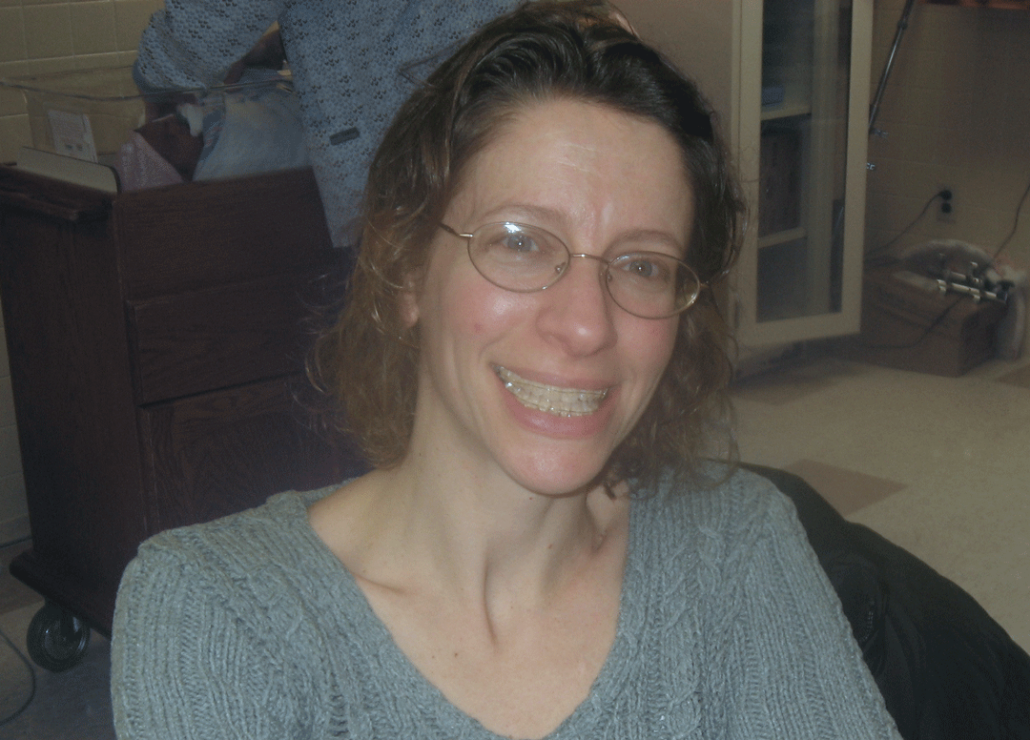
Cindy was an amazing woman.
She was super smart. In fact, she scored perfectly on her LSAT before studying to become a lawyer.
On top of this, she was kind, caring, and friendly. Cindy would take the train or bus from NYC to Albany and befriend – and know the entire life story of – the person she was sitting next to. That’s the type of person she was.
Cindy was an optimist, always seeing and hoping for the best in any situation. Even when her father got Stage 4 lung cancer, she looked into finding any and every possible trial or medication to help him, with the hopes that he would be cured.
She was very close to us as a family. Cindy would email our family group at least twice a week. She always knew when any of us or our kids had appointments, and she would be the one to check in before and after.
I want to share all this so you would know what her baseline was like before postpartum psychosis struck.
What was obvious to us after her son was born was that at about four months postpartum, Cindy began to worry.
She sent us a video clip of my nephew one day, saying she thought his arm was doing something “funny.” We couldn’t see anything wrong, but we figured maybe there was more going on with him that wasn’t captured in the video that she could see, but we couldn’t.
She then began to obsess that something was seriously wrong with her baby: she started Googling things and thought a number of things were wrong with him.
Cindy began to believe he was brain-damaged because he had fallen and hit his head on the floor a couple of times. Over the next few months, she took him to different specialists to check, and they all came back with the same response – that her baby was normal and healthy. But rather than believing what each of them told her, she became more and more convinced that her son was brain-damaged.
We noticed that Cindy wasn’t behaving like her usual self: she started becoming upset, anxious, and withdrawn.
She barely communicated with us, which was definitely not like her. When we expressed concern that she was depressed, she agreed that she was depressed but felt it was for good reason – because her son was brain-damaged, and because it was her fault.
Cindy also started behaving oddly and saying strange things. During the last Thanksgiving she visited with us, which was when her son was about six months old, we noticed she wouldn’t put the baby down for even a second, but at the same time we noticed that she seemed oddly detached from him. She appeared to be in a foggy state of mind and seemed to be acting paranoid.
It was really disturbing. We had multiple conversations when she would even say, “I know everyone thinks I’m crazy, but I truly believe my son is brain-damaged and maybe he would have been better off not to have been born.”
What was not obvious to us was that what we all thought were worries were actually delusions.
When I say “us,” I mean her family, the pediatrician, her OB, and the therapist she was seeing (who wasn’t a perinatal specialist). We did not know that when someone is so convinced that something is true, even though there is no proof or evidence to the contrary, that is a delusion.
The fact that she kept believing her son was brain-damaged even though multiple specialists told her that was not the case was evidence that she was delusional and not a mom who was experiencing normal mom worries.
It also wasn’t obvious that her strange or unusual behaviour was likely her responding to her delusions, or maybe even because of things she might have been seeing or hearing. But we will never know.
If we had known these things back then, we could have gotten her the right help from a perinatal specialist or even had her hospitalized.
That is why sharing stories like these is so important. I hope we can continue to educate the public and bring awareness so others do not have to suffer what our family did.
Cindy’s story is also featured in a March 2025 article on the PSI blog, An Open Letter to Media About Coverage of Postpartum Tragedies.
About the Author
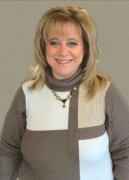
Karen Wachenheim
Karen Wachenheim is a supervising accountant for the New York State Education Department. She has a bachelor’s degree in child development and family studies and a certificate in accounting. She is also a Zumba instructor. Her interest in perinatal mental health was sparked by being a two-time survivor of postpartum anxiety. She also lost a sister-in-law to perinatal psychosis. It became her family’s mission and goal to bring awareness and education to perinatal mood disorders. Karen became a Postpartum Support International volunteer coordinator in 2014 and raises funds for the organization by hosting Zumba fundraisers. She also leads the PSI support group for family members affected by perinatal psychosis. Karen is the 2024 Ilyene Barsky Memorial Award Recipient. She lives in upstate New York with her husband and two sons.
Explore More PSI Resources:
Postpartum Psychosis Task Force
Postpartum Psychosis Discussion Tool
Connect by PSI
Download our free app “Connect by PSI” in your app store to access PSI support, resources, and information in the palm of your hand.