


Resources for You
You are not alone. You are not to blame. With help, you will be well.
Perinatal Mental Health Conditions are the highest complication of childbearing – and often the most overlooked and stigmatized complication.
Specific Support Resources for at-risk populations
Below we discuss some of the at-risk populations that may experience Perinatal Mental Health conditions, and outline information, resources, and support specific to these groups.
You are not alone and PSI is here to help. You do not need a diagnosis to reach out for help.
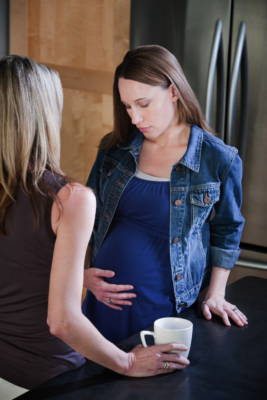
Perinatal Individuals Resources
Perinatal (Pregnancy, Post-loss, and Postpartum)
Studies show that 1 in 5 perinatal individuals may experience perinatal depression or anxiety. These individuals may also experience other Perinatal Mental Health conditions like Obsessive-Compulsive Disorder, Post-Traumatic Stress Disorder, Bipolar, and Perinatal Psychosis. You can learn more about each of these here.
It is important to know that you are not alone, and that Perinatal Mental Health conditions are treatable.

Families & Support People
If you are a family member or support person, you may be worried that you or someone you care about is suffering from a perinatal mental health condition such as depression and anxiety. It can be very confusing, challenging and even painful to watch your spouse, family member or friend react to becoming a parent in ways that you didn’t expect. Please know that the person with depression or anxiety is not to blame and they are just as surprised by what is happening as you are.
It is important to know that you are not alone, and that Perinatal Mental Health conditions are treatable.
Adoptive Parent Resources
Post-adoption depression is a very real issue that some adoptive and birth parents face. The symptoms and rates of occurrences (1 in 5 moms, 1 in 10 dads/partners), are similar to Perinatal Depression.
It is important to know that you are not alone, and that Perinatal Mental Health conditions are treatable.

BIPOC Parent Resources
BIPOC families face unique stressors that can increase the impact of Perinatal mental health disorders. Pregnant individuals of color have a higher maternal mortality rate than their white counterparts. Some factors contributing to higher maternal mortality rates and perinatal mood disorders are systemic racism, unemployment, exposure to violence, gaps in medical insurance, lack of access to high-quality medical and mental health care, lack of representation in the medical system, and higher risk of pregnancy and childbirth complications.
It is important to know that you are not alone, and that Perinatal Mental Health conditions are treatable.

Dads & Partners Resources
Studies show one in ten dads experience postpartum depression, and 5-15% develop an anxiety disorder such as generalized anxiety disorder, obsessive-compulsive disorder, and post-traumatic stress disorder at some point during the pregnancy or the first year postpartum.
It is important to know that you are not alone, and Perinatal Mental Health conditions are treatable.

Deaf and Hard of Hearing Resources
Parents who are Deaf/Hard of Hearing (DHH) often experience challenges with communication and access to adequate resources – including health care and social support. During the perinatal period, people who are DHH may face unique challenges that can impact their pregnancy experience. As a result, these parents may experience feelings of isolation.
It is important to know that you are not alone, and that Perinatal Mental Health conditions are treatable.

Loss & Grief Resources
Experiencing the loss of a pregnancy, infant, or child brings unimaginable pain, grief, and isolation and is associated with an increased risk of depression, anxiety, and PTSD symptoms. Non-judgmental support, information, and connection with others is available to you.
It is important to know that you are not alone, and that Perinatal Mental Health conditions are treatable.
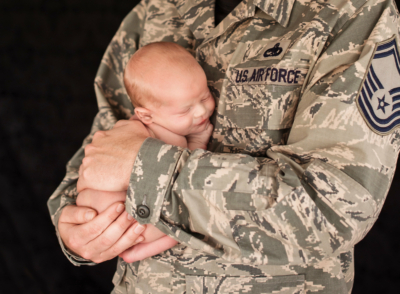
Military Parents
Military families face unique stressors that make them more susceptible to experiencing perinatal mental health disorders. PSI is here to offer peer support, information, and resources for military families.
It is important to know that you are not alone, and that Perinatal Mental Health conditions are treatable.

Postpartum/Perinatal Psychosis
Postpartum Psychosis (PPP), also known as Perinatal Psychosis, occurs in approximately 1 to 2 out of every 1,000 deliveries. The onset is usually sudden, most often within the first 2 weeks postpartum.
It is important to know that you are not alone, and that Perinatal Mental Health conditions are treatable.
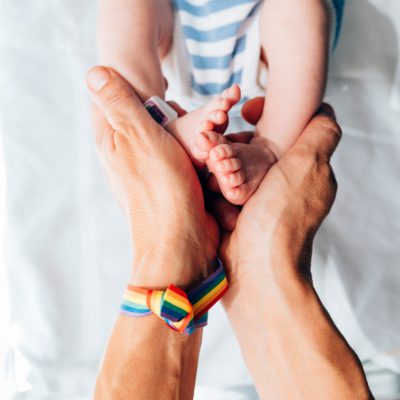
Queer & Trans Parents
No family is immune to mental health challenges, including queer & trans families. In fact, queer & trans families are at higher risk for perinatal mental health struggles for a variety of reasons, including discrimination, stigma, personal mental health history, possible issues with their family of origin, conception or adoption complications, denial of parental rights, and more.
It is important to know that you are not alone, and that Perinatal Mental Health conditions are treatable.
You are not alone. PSI is here to help.