
• Member Portal
  • Contact
  • Subscribe
  • For Journalists
  • Search Search
1.800.944.4773
Postpartum Support International (PSI)
  • Get Help
    • In An Emergency
      • People in crisis should call their physician, local emergency number or National Emergency Hotline. Learn More.
    • Perinatal Mental Health
      • Signs, Symptoms & Treatment
      • Resources for You
    • Find Support
      • PSI HelpLine (English & Spanish)
      • Provider Directory
      • Find Local Support
      • Online Support Groups
      • Chat with an Expert
      • Peer Mentor Program
      • Specialized Support Resources
      • Postpartum Planning Class
      • En Español
    • Resources
      • Connect by PSI
      • Intensive Treatment in the US
      • Medication Resources
      • Birth and Postpartum Doulas
      • Resources in Other Languages
      • FAQs
  • Professionals
    • Professional Services
      • PSI Membership
      • PMH Certification (PMH-C)
      • Perinatal Psychiatric Consultation Program
      • Provider Directory
    • Events
      • Trainings and Webinars
      • PSI Annual Conference
    • Resources
      • CW Memorial Training Scholarship
      • Susan A. Hickman Research Award
      • Screening Recommendations
      • State Perinatal Psychiatry Access Programs
      • Research Opportunities
  • Training
  • Get Involved
    • With PSI & Your Community
      • The Climb
      • PSI Membership
      • U.S. Chapter Program
      • Ways to Give
      • Volunteer
    • Spread Awareness of PMHD
      • Maternal Mental Health Month
      • Father’s Mental Health Day
      • The Blue Dot Project
      • Tell Your Story
      • Current Research Opportunities
    • Professional Involvement
      • Alliance for People of Color
    • Mind the Gap
      • About Mind the Gap
      • Coalition Members
      • Join the Movement
      • Action Wall
      • The Strategic Action Plan
  • About
    • About Us
      • Mission, Vision & History
      • Legal Justice
      • Impact Report & Financial Statements
      • Non Discrimination Policy
    • Meet Us
      • Staff
      • Board of Directors
      • Advisory Council
      • Faculty
      • Best Practice Committee for PMH Equity
      • Postpartum Psychosis Task Force
      • Our Sponsors
    • Blog & Media
      • Journalists & Media
      • Blog
      • I Am One Podcast
      • Public Service Announcements
  • Marketplace
    • Shop
      • PSI Manuals, Resources & Printables
      • PSI Gear Shop
    • Books, Tools & Awareness Materials
      • Recommended Reads
      • Educational Materials/Material Educativo
      • Discussion Tools/Herramientas de Discusión
  • En Español
    • Para Familias
      • Apoyo de PSI para las familias hispanoparlantes
      • Trastornos de salud mental perinatal, conozca los síntomas
      • Encuentros de Apoyo
      • Recursos Especializados
      • Taller prenatal: del embarazo al posparto
      • Apoyo de pares
      • Material educativo y recursos
      • Pérdida y Duelo
      • Ayuda para los papás
    • Para Profesionales
      • Conferencia anual de PSI
      • Entrenamientos para profesionales
      • Certificación PMH-C
      • Hazte Miembro
      • Material Educativo
      • Foro Mundial de Salud Mental Materna 2025
    • Acerca de PSI
      • Misión, Visión e Historia de PSI Español
      • Voluntariado en PSI
  • Donate
  • Menu Menu

Help for Partners & Families

family

If you’ve come to this page, you may be worried that you or someone you care about is suffering from a perinatal mental health  disorder such as depression and anxiety. It can be very confusing, challenging and even painful to watch your spouse, family member or friend react to becoming a parent in ways that you didn’t expect. Please know that the person with depression or anxiety is not to blame and they are just as surprised by what is happening as you are.

Perinatal mental health disorders are treatable with support and professional help.

Below you find information and a list of PSI Services that may be helpful to you, or contact PSI to connect with support and resources.

PSI Helpline

Call or Text our HelpLine

1-800-944-4773 (4PPD) #1 En Español or #2 English

Text in English: 800-944-4773
Text en Español: 971-203-7773

The HelpLine will provide you with support and resources.  You will be asked to leave a confidential message and a trained and caring volunteer will return your call or text.

Call the HelpLine
HelpLine Form
HelpLine Forma (Esp)
Learn More

Helpful Tips for Partners & Families

Perinatal Mental Health Disorders affect the whole family. Here are some tips that might help you along the way. Remember that you will get through this with help and support.

What do I do now?  

  • Learn more about the Signs and Symptoms of Perinatal Mental Health Disorders
  • Ask for help, information, and support for yourself.
PSI is here to help.
  • Contact our Helpline.
  • Call our “Dads Chat with an Expert” (not just for dads)  on the first Monday of every month for a free, facilitated phone call with one of our experts in Perinatal mental health and family support.
  • Specialized Support: PSI has local volunteers who understand the challenges of perinatal mental health conditions and know local resources that may be helpful for you. These volunteers can provide you the opportunity to connect with someone who understands, can answer basic questions about Perinatal Mental Health and can provide information about how to best support a loved one or friend who is going through this challenging experience. Contact a Support Coordinator.

Taking care of yourself

  • Develop a support team for your family. Ask for help. Say YES when they offer.
  • Take time for yourself.
  • Talk to other families who have come through this.
  • Spend time with your baby to develop your own confidence.

How to help a new parent

  • Reassure them: this is not their fault; they are not alone; they will get better.
  • Encourage them to talk about their feelings and listen without judgment.
  • Help with housework before they ask you.
  • Encourage them to take time for self-care.  Breaks are a necessity; fatigue is a major contributing factor to worsening symptoms.
  • Don’t expect them to complete all household tasks just because they are home all day.
  • Be realistic about what time you’ll be home, and come home on time.
  • Help them reach out to others for support and treatment.
  • Schedule some dates with them and work together to find a babysitter.
  • Offer simple affection and physical comfort, but be patient if they are not up for sex. It’s normal for them to have a low sex drive with depression, and rest and recovery will help to bring it back.

Dealing with their anger and irritability

  • Do what you can to make sure they eat regularly throughout the day, because low blood sugar results in a low mood and frustration. Have healthy and easy snacks on hand.
  • Do your best to listen for the real request at the heart of their frustration. Reduce conflict by telling them, “I know we can work this out. I am listening.”
  • Keep the lines of communication open. Verbalize your feelings instead of distancing from them. It is helpful to take a break if your tempers are hot, but do get back to communicating.
  • If they are expressing anger in such a way that you can’t stay supportive, you might say something like, “I want to listen to you. I know this is important, but I’m having a hard time because you’re so mad at me. Can we take a break and talk about it later?”
  • Ask them how you can help right now. If they don’t know, make some suggestions.

It is important to know that you are not alone, and that Perinatal Mental Health Disorders are treatable. 
Resources for Perinatal Individuals
Resources for Dads

PPD Smart Patients Forum

Join our PPD Forum (Smart Patients)

We’ve partnered with @smartpatientscommunity, an online forum for those affected by #PPD. You can join the community for free to share, interact, and learn from peers in a safe, supportive environment.

Visit the PPD Smart Patients Forum

Explore Related Articles

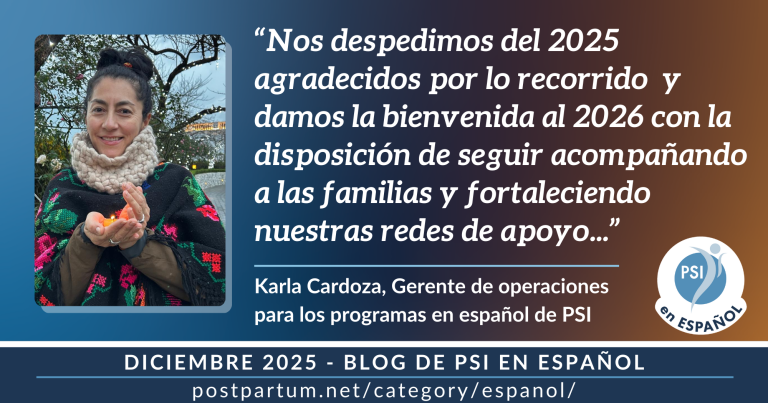
Un año de acompañamiento, fortaleza y comunidad: gracias 2025
Un año de acompañamiento, fortaleza y comunidad: gracias 2025

En esta carta expresamos aprecio a todos los voluntarios, aliados y familias que han hecho posible un año de acompañamiento y apoyo en la etapa perinatal. Celebramos el trabajo en conjunto y agradecemos a las familias por su confianza.
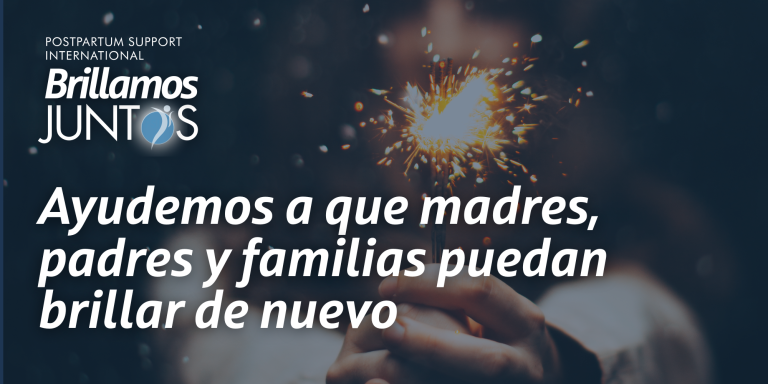
Historias de resiliencia: madres y padres brillan de nuevo
Historias de resiliencia: madres y padres brillan de nuevo

Conoce testimonios de mamás que enfrentaron retos profundos durante el posparto, revelando emociones intensas y cómo encontraron apoyo en PSI.
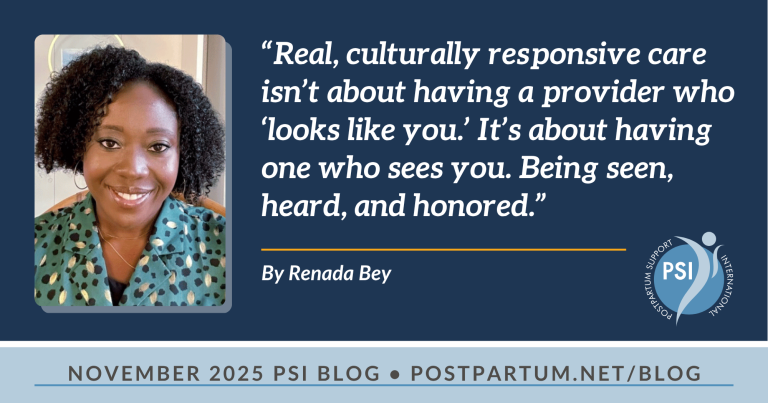
“Real, culturally responsive care isn’t about having a provider who ‘looks like you.’ It’s about having one who sees you. Being seen, heard, and honored.” By Renada Bey

The Care You Deserve: How to Find Providers Who See, Hear, and Honor You

Discover the significance of accessing culturally responsive care in healthcare settings for an enhanced patient experience.
  • 1
  • 2
  • 3
  • …
  • 10
  • ›
Loading...

Helpful Resources & Links

  • Subscribe to Parent Newsletter
  • Interview with Wade Bowen
  • Beyond the Blues
  • Mayo Clinic: “Supporting A Friend or Family Member with Depression
  • Anxiety & Depression Association of America
  • American Psychological Association: “Depression and How Psychotherapy and Other Treatments Can Help People Recover”
  • Mental Health America: A leading nonprofit on mental health, this links to their postpartum depression fact sheet.
  • Maternal & Child Health Library (MCH): The MCH Library, compiled by Georgetown University, houses a collection of historical documents and reports related to maternal and child health in the United States and health services for children and families.


Get Help

  • Get Help
  • In An Emergency
  • Perinatal Mental Health
    • Signs, Symptoms and Treatment
    • Resources for You
  • Find Support
    • PSI HelpLine
    • Provider Directory
    • Find Local Support
    • Online Support Groups
    • Chat with an Expert
    • Peer Mentor Program
    • Specialized Support
    • Postpartum Planning Class
    • En Español
  • Resources
    • Connect by PSI
    • Intensive Treatment in the US
    • Resources in Other Languages
    • Birth and Postpartum Doulas
    • Medication Resources
    • Connect by PSI
    • FAQs
Postpartum Support International
Facebook Facebook Instagram-1 Instagram-1 Pinterest Pinterest Linkedin Linkedin Vimeo Vimeo Youtube-play Youtube-play

Guidestar

For Helpseekers

  • Explore PSI Support Options
  • Contact the PSI HelpLine (English & Spanish)
  • Learn About Perinatal Mental Health Signs & Symptoms
  • Resources for You
  • En Español
Apple App Store
Google Play

For Professionals

  • Explore PSI’s Programs for Professionals
  • Learn about Certification
  • Training & Webinars
  • Perinatal Psychiatric Consultation Program
  • List Your Practice in the Directory
  • PSI Annual Conference

Make an Impact

  • Make a Donation
  • Become a Member
  • Volunteer with PSI
  • Participate in The Climb
  • Tell Your Story

© 2025 Postpartum Support International.
  • Disclaimer
  • Privacy Policy
Scroll to top Scroll to top Scroll to top