Breathing Techniques to Enhance Healing with Natural Wellness Coach Arya Donahue
By Samantha Reaves, MA, PMH-C
Breathing techniques can increase and manage energy levels and enhance healing naturally. Natural wellness practitioner and coach, Arya Heath, takes us through five breathing exercises you can add to your daily routine to reduce stress and feel more centered.
Samantha: Arya, tell us about your areas of expertise as a natural wellness practitioner.
Arya: I became certified as a breathwork facilitator some 30 years ago. I often facilitate seminars and private sessions to hundreds of people. What I believe makes me unique in the world of breathwork is that I have developed eight techniques that can be used for everyday energy management. My passion is to empower everyone to use these techniques to enhance their well-being.
I have provided online courses on breath techniques to Duke Integrative Medicine staff. I am also a certified holistic nutritionist and bio-energetic medicine practitioner working with natural medicine and homeopathy. I have had the privilege to work with integrative M.D.s to serve their patients.
I have been trained through the American Institute for Preventive Medicine to instruct “Empowerment Through Self-Awareness.”
Samantha: How can incorporating breathing techniques change your day-to-day life?
Arya: Breathwork is truly a gift of life! It is the only body function that is both autonomic and voluntary – it is our bridge between unconscious survival and conscious choice. Conscious breathing is a way to empower ourselves to focus, reduce stress, and manage our emotions.
We take 20,000 breaths per day and approximately 95% are unconscious. Each unconscious breath is a missed opportunity to reshape our life experience.
In the postpartum depression experience it is not simply a low mood, it is a disharmonic state where the body’s tuning fork (DNA, hormones, and nervous system) drifts from resonance.
In postpartum depression, where one feels “out of phase with life,” breath reattunes body, heart, and mind. Each breath is not an escape but a re-entry into the mother’s own field, so she can offer resonance to the child without depletion. In this case, the breath becomes medicine.
Samantha: Can you tell us about the psoas muscle and how it relates to trauma?
Arya: The psoas muscle runs from the lumbar spine through the pelvis to the femur. It is directly connected to posture, stability and breathing (it works with the diaphragm).
The psoas is the muscle of the soul and serves as a profound bridge between our physical bodies and the emotional experience of fight-or-flight.
It has a tendency to contract and store trauma. When we experience trauma, whether physical or emotional, our body’s innate response is to protect itself. The psoas often contracts involuntarily in moments of stress or danger, preparing the body either to flee or defend itself.
The prolonged tensions contribute to a range of physical discomforts, including hip tightness, lower back pain, and even digestive issues.
Samantha: Will you share some breathing exercises with us?
Arya:
1. Expansion Breath (restores energy and circulation)
Upon waking, before rising, with the baby next to you or on your chest.
Clears residue of broken sleep and sets the tone for renewal.
How: Inhale deeply through the nose for 4-6 counts. Allow the belly and ribs to expand outward in all directions. Exhale naturally.
Why: This restores energy flow and oxygen saturation, or counteracts collapse and fatigue. It signals to the body that life is being welcomed again.
2. Containment Breath (The Vessel of Holding)
During feeding. Feeding itself is an act of giving. The pause re-centers the mother as a vessel. Each time the baby latches or begins to drink, take one breath and pause gently at the top.
How: At the top of the inhale, pause gently for 4 counts. Do not strain—just rest in fullness.
Why: This creates a container. Biologically, it regulates the nervous system by allowing the oxygen–CO₂ exchange to balance.
3. Bridging Breath (relinks mind and body)
Rocking or walking with the baby.
How: Breathe in through the nose for 5 counts, expanding the chest. Hold for 5 counts, exhale through the mouth for 10 counts, and let shoulders and jaw soften.
Why: The long exhale activates the vagus nerve, dissolving the fight-or-flight response. As you rock, hum or sigh softly with the exhale, the baby hears and feels your nervous system lengthening. This breath reminds: “I am linked.”
4. Stillness Breath (allows the system to re-enter unity)
After laying the baby down, place one hand on your belly, exhale fully and pause at the bottom. Stay in that quiet before inhaling again.
How: At the bottom of the exhale, pause in emptiness for 2–3 counts. Notice the silence before the next inhale begins naturally.
Why: This is the harmonic reset. Stillness at the zero-point allows phase noise to dissolve. In medical language: parasympathetic settling.
5. The Cycle
Inhale (expansion) > hold full (containment) > exhale (bridging) > hold energy (stillness)
Repeat gently for 4-8 rounds. Even two minutes will restore coherence.
Mantra: Inhale, I renew > Exhale, I release > In the pause, I find peace
Samantha: What else would you like to share about your work?
Arya: Through my own healing journey of the experience of deep trauma and physical injuries, I have become passionate about my body’s ability to be supported in the healing process through breath techniques, psoas clearing, and vagus nerve strengthening.
Breath awareness:
- Grounds the mother amidst rapid hormonal shifts and emotional vulnerability.
- Provides a rhythm for bonding with the newborn, since infants naturally entrain to the mother’s breathing patterns.
- Opens space for self-compassion and stillness, which counters the overwhelm of early motherhood.
So, to be aware of breathing after giving birth is to consciously re-enter the body, harmonize the rhythms of expansion and contraction, and stabilize both the healing mother and the child she now attunes with.
During this interview, I have shared specific breath techniques for postpartum moms, and during my seminars I share other breath techniques as well as vagus nerve strengthening and gentle release of the psoas.
About the Author
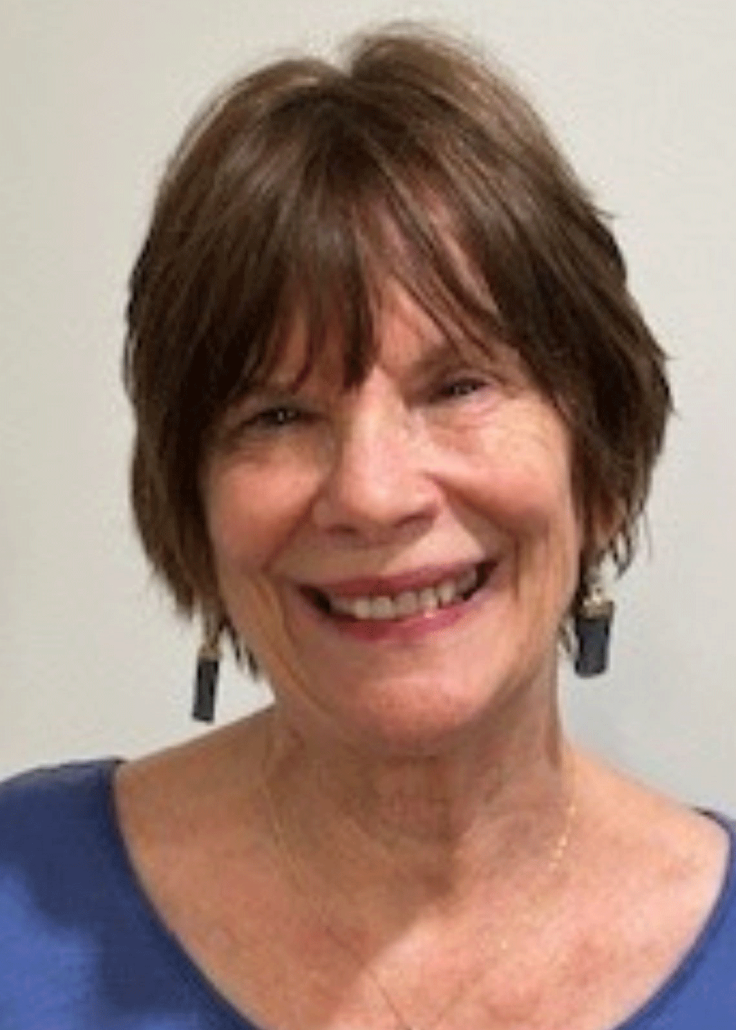
Arya Donahue
Arya Donahue is a natural wellness practitioner and coach who received a certificate of excellence from The Southwest Institute of Healing Arts in their Holistic Nutritional Specialist Certification program. She was certified as a Holotropic Breath Therapist by the International Breath Institute in 1993. Arya is certified as an Electrodermal Screening (EDS) practitioner and has offered training classes in holistic wellness, communication and leadership through The University of North Carolina at Wilmington and Western Carolina Industries in Asheville, NC.
Explore More PSI Resources:
Connect with Knowledgeable Providers Using the PSI Directory
Professional Perinatal Mental Health Training
Perinatal Mental Health Signs, Symptoms & Treatment
Connect by PSI
Download our free app “Connect by PSI” in your app store to access PSI support, resources, and information in the palm of your hand.