Corey’s Story: Working Through Grief and Loss in Pregnancy and Postpartum
By Corey Miletello, LCSW-S
Trigger warning: miscarriage, neonatal death, traumatic birth
When I talk about my journey to becoming a mom, it’s a story filled with trauma, depression, anxiety, loss, grief, and finally, happiness. I am a mom to two beautiful living daughters, but I also experienced the loss of my oldest three babies, as well as two miscarriages in between the birth of my living daughters.
A Diagnosis of Incompetent Cervix
I was diagnosed with a condition called incompetent cervix; however, I did not receive this diagnosis until after I gave birth to three micropreemies. My oldest daughter was born in February 2019 at 24 weeks. Despite all of the medical efforts available, she died shortly after her birth. At that time, all of the testing revealed that everything was “perfect,” so my husband and I were told that it was a fluke and would likely never happen again. Once we were cleared, we decided to try again. This time I ended up pregnant with twin boys. We were ecstatic, while also filled with anxiety daily. At 21 weeks, during a routine anatomy scan, I was told that my cervix was shortening and that I likely had incompetent cervix. They did a transvaginal cerclage to try to prevent preterm labor, and I was placed on hospital bedrest in the Trendelenburg position for a week. Despite all of these efforts, my twins were born at 23 weeks. Hospital protocol was that they don’t make any life-saving attempts before 24 weeks, so my boys died in my arms around 30 minutes after they were born.
The Complexity of Grief
The grief after the loss of my first daughter was a consuming sense of panic. I can remember almost every waking moment feeling like I was fighting just to be able to take the next breath. It’s hard to explain, but the best I have found is that it’s as if there is this biological pull to nurture and mother your baby after you give birth. However, when you leave the hospital without your baby, you have nothing to fill that biological urge. When I lost my boys, I think I experienced more anger than any other emotion. It’s really strange, because some things during this time I can remember very vividly, but other things I have no memory of. I have what is called trauma brain, which is basically where my brain experienced neurological changes and changes in functioning because of the traumatic experiences of the births and losses of my oldest kids. This is something that you can adapt to, but even six years later, I still deal with the side effects.
Struggling with Grief and Loss as a Mental Health Therapist
Another piece of my story is that I am a mental health therapist. I was extremely hard on myself because I felt like I should have known how to cope and manage my grief, but I was living in survival mode. It took all of my energy just to do the minimal necessities each day. I can remember looking in the mirror and barely recognizing the person I saw. Thankfully, I have come a long way since then, but I still have days where it feels like I’m barely keeping my head above water. I also struggled a lot with the thought of how to go back to helping others when I couldn’t help myself. It took a lot of support from my OB and a couple of my friends who also work in mental health for me to feel confident in my ability to go back to work and be effective for both myself and my clients.
Facing Pregnancy After Multiple Losses
After my diagnosis of incompetent cervix (IC), I threw myself into finding answers. I was able to find a world-renowned surgeon who was highly trained in a procedure with a 99% success rate in preventing preterm labor with IC. After talking with this surgeon, we felt more confident in trying again for a baby. A month after my surgery, I found out I was pregnant with my second daughter. A couple years later, we began to consider having another baby. At this point, I experienced two unexplained early miscarriages. I honestly felt like I was done emotionally. I was tired of living in a state of grief and wanted to be a present mom for my daughter. I decided it would be best for me to look into options for long-term/permanent birth control. A week before my appointment, I found out I was pregnant. I told very few people because I wrestled with guilt and the idea that people would look at me like I was reckless for being pregnant again with all the loss that we had experienced.
At the very beginning of this last pregnancy, I decided it was time to close the chapter of trying to expand our family, no matter how it ended up. We are so thankful that we had another beautiful, healthy daughter. I also felt so confident in my decision to focus on being the best version of myself for my daughters. Since her birth, I have taken active steps to ensure that I am addressing my PTSD, grief, and anxiety in order to be a healthy mom, wife, and therapist.
A Piece of Advice
If I had to give advice to anyone on a difficult journey to becoming a mom, it would be to communicate. Talk constantly to your support system, providers, whoever you can. Don’t bottle it up and deal with it alone. There are people out there who want to help and who can help.
Making Meaning Out of My Journey
Today, I look at myself and I am proud of who I am and how I use my journey to support others. Personally, I try to reach out to others who I know experience loss and let them know they are not alone. Professionally, I have been able to work with several clients who have experienced miscarriage, infant loss, and stillbirth. My journey gives me a different perspective and level of empathy for those walking a similar path. I wouldn’t say I would choose this path of grief and loss had I been given a choice, but I am determined to give my experience meaning and pour support back into others.
About the Author
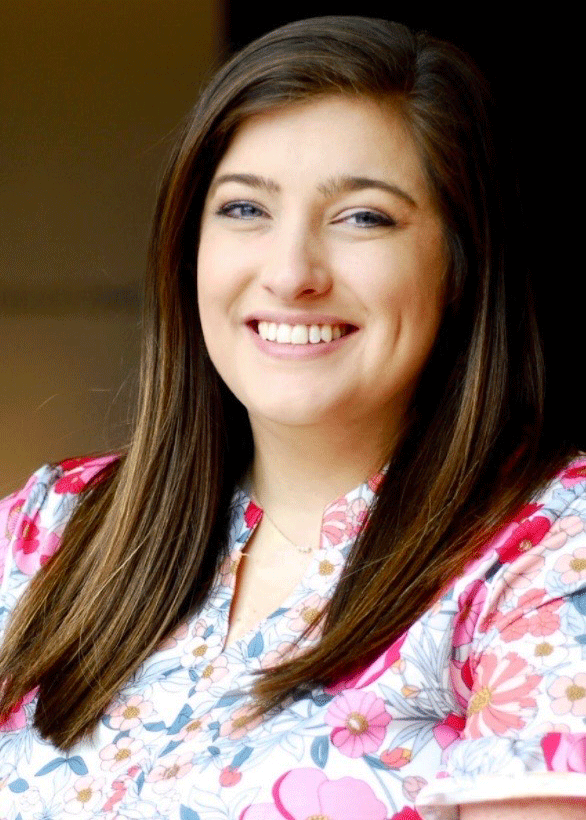
Corey Miletello, LCSW-S
Corey Miletello, LCSW-S, is a wife, mom, and mental health therapist who uses her own experiences with anxiety, trauma, and grief to develop authentic connections with people. When she’s not working, you will find her baking, reading, or enjoying adventures with her family.
Explore More PSI Resources:
Loss & Grief Resources in Pregnancy and Postpartum
Professional Training on Perinatal Loss: Clinical and Supportive Care

Connect by PSI
Download our free app “Connect by PSI” in your app store to access PSI support, resources, and information in the palm of your hand.