We Deserve Better: The Inpatient Experience of New Mothers with Postpartum Psychosis

By Emily Buchanan, Julia Fourie, Anna Oberdorfer, Sarah Savage, and Julia Alzoubaidi
Trigger warning: includes real stories, including postpartum psychosis and NICU experiences.
Introduction: The Hidden Crisis of New Motherhood
Individuals requiring inpatient psychiatric care are commonly portrayed as bumbling, even dangerous, societal outcasts, incapable and undeserving of recovery or reintegration. However, for new mothers like us who experienced postpartum psychosis (PPP)–a severe psychiatric condition that can emerge suddenly in the weeks and months following childbirth–inpatient psychiatric hospitalization becomes not only a reality, but a necessity. Unfortunately, many new mothers do not receive the appropriate diagnosis and acute level of care required to effectively treat postpartum psychosis. The ones that do oftentime bear the burden of associated trauma from the experience. New mothers experiencing an acute mental health emergency, such as postpartum psychosis, deserve humane inpatient treatment. We deserve better.
The Unique Medical Needs of Postpartum Mothers
1. Overlooked Obstetric Care
The needs of postpartum individuals differ greatly from others in acute psychiatric care. Postpartum psychosis most often occurs within the days and weeks following delivery, a time of significant physical recovery for a new mother. This requires access to obstetric and gynecological care, a need that is not always met.
“When I was inpatient with PPP symptoms, the general doctor on the unit did not catch my textbook symptoms of preeclampsia. My untreated, climbing blood pressure sent me via ambulance to the emergency room after it reached critically dangerous levels. Lack of basic obstetric postpartum care when I was impatient put me at risk of a range of outcomes from a serious stroke to death.” –Emily Buchanan
“Just days before my hospitalization for postpartum psychosis, I had undergone a procedure to remove retained placental tissue. During my psychiatric admission, I had concerns about my surgical recovery, but there was no one on the unit who could address my obstetric questions. The psychiatric staff had no expertise in postpartum surgical care, leaving me anxious and without answers about whether my healing was normal or if I should worry about complications. Having access to obstetric consultation would have provided much-needed reassurance and allowed me to focus on my mental health recovery without the added worry about my physical healing.” –Anna Oberdorfer
“I was admitted to the inpatient psychiatric unit for PPP 11 days after an emergency c-section under general anesthesia. During surgery I had a significant amount of blood loss that required an iron transfusion and blood transfusion. I felt weak and deconditioned. While inpatient, I had to initiate asking the staff for icepacks for my c-section incision. I did not have a nurse or medical provider ensuring that I was cleaning my incision daily. It took several days for my medication regimen to be ordered correctly. It was such an unusual recovery from a c-section. Most of the patients and staff didn’t know I had surgery.” –Sarah Savage
2. Breastfeeding Support: A Missing Priority
Breastfeeding is not just about nutrition—it is also about bonding, healing, and identity as a new mother. A mother’s choice to initiate and/or continue breastfeeding needs to be prioritized. Options for breastfeeding and medication choices need to be discussed. Access to a breast pump and the means to safely store breast milk should be requirements for inpatient psychiatric facilities, but they are not.
“When I arrived at the psychiatric unit, breasts painfully engorged with milk, there was no pre-established protocol for pumping. Once I was provided with my home pump, keeping the pump parts sanitized was a huge concern of mine as the unit itself was incredibly dirty. I had to consistently advocate every time there was a shift change for hot water and soap as well as a monitored place to pump that was private from other patients on the unit. It would have been immensely helpful if my facility had a protocol to follow so I could have successfully pumped and stored my breast milk. I shouldn’t have had to advocate for cleanliness and privacy while severely mentally unwell.” –Emily Buchanan
“When I was admitted to a general psychiatric unit, my son was about 12 days old. I was overwhelmed and battling mastitis. At the unit, I was given a printed schedule to follow in order to suppress my milk supply. I was delusional, paranoid, and unable to trust or understand what was happening, I simply could not keep to the plan without support. By the time my medication began to work and clarity returned, my milk was gone. I could no longer breastfeed my baby. That realization was devastating, and the grief compounded the trauma of being separated from my newborn.” –Julia Fourie
In contrast, access to breastfeeding support can allow a new mother to focus on her recovery.
“During my hospitalization for postpartum psychosis, I was incredibly grateful to have access to a lactation consultant in the psychiatric unit. As a new mother, I had so many concerns about continuing breastfeeding while on psychiatric medications, and she was able to answer all my questions with expertise and compassion. This support allowed me to continue my breastfeeding journey with confidence, knowing I was making informed decisions for both my baby’s health and my own recovery.” –Anna Oberdorfer
“Pumping was a way that I felt connected to my son, since he was not with me. I was very scared to take the antipsychotic medication because my son was ingesting my milk. The psych unit did provide a lactation consultant to talk to me about the safety of taking my antipsychotic while breastfeeding. I appreciated the consultation. It was overwhelming to pump inpatient while recovering from postpartum psychosis. It takes a great amount of strength and determination.” –Sarah Savage
3. The Impact of Mother-Baby Separation
When a new mother is hospitalized, she is not the only one affected. The relationship with her infant, and the ability to develop a secure attachment is crucial, and also needs to be prioritized.
“My interactions with my two week old infant were restricted to a monitored one hour block a day. If the therapist on the unit was unavailable during that visitation hour, then I was not permitted to see my baby. I was told I should be thankful as they usually barred visitation from minors. The forced separation from my infant in his early weeks of life filled me with a colossal grief that I’m still working through in therapy years later.” –Emily Buchanan
“During my stay in the general psychiatric ward, I was allowed only a single supervised visit with my newborn each day. Technically those visits weren’t permitted, but my husband pushed for them, and I’m grateful he did. Saying goodbye after each brief visit was wrenching. I never knew how long I would remain there, and the constant partings deepened my sense of loss. At times, the separation blurred my grip on reality; I even experienced vivid delusions that I was still pregnant and preparing to give birth again.” –Julia Fourie
“In the inpatient general psychiatric unit I carried a picture of my son everywhere I went. I showed everyone the picture. I even slept with his picture under my pillow. I spent 7 days without my newborn son. The first 10 days of my son’s life I worked incredibly hard to give him the best care while he was in the NICU. It felt like all the hard work had been taken away. I felt like I had to prove I was a good mother. I never had the chance to just be with him. First the NICU, then the psychiatric unit. I felt like I had been robbed. This wasn’t a normal postpartum experience.” –Sarah Savage
In contrast, having the baby present as much as possible with professional support to maintain the mother-child relationship is crucial for both bonding and recovery.
“While hospitalized on the psychiatric unit, I was able to spend daytime hours with my baby. The unit also had a pediatric nurse who assisted mothers with basic baby care during visits, including helping with bathing or providing expert advice when the baby developed minor health concerns, which was invaluable support during such a vulnerable time.” –Anna Oberdorfer
“After nearly a month in the general psychiatric ward, I was fortunate to transfer to a Mother–Baby Unit (MBU). There, I could spend full days with my son—feeding him, playing, and caring for him with the help of specialized pediatric nurses who handled night feedings so I could rest. That support was invaluable, yet I initially felt strangely detached. Rebuilding the emotional connection with my baby took time and the guidance of a visiting nurse who continued to work with us at home. Gradually, those sessions helped me feel present and truly bonded with him.” –Julia Fourie
4. The Critical Need for Family Education and Communication
A need to inform and educate a new mom and her family about postpartum psychosis while inpatient is needed to help reduce the trauma associated with inpatient hospitalization.
“One of the hardest parts of my hospitalization was the lack of clear information—both for me and for my family—about postpartum psychosis and its treatment. Perhaps I wouldn’t have fully understood at the time, but my husband and relatives certainly could have. Many of the staff we encountered had little or no experience with PPP, and it showed. We were given no real sense of how long recovery might take, and my husband was left wondering if I would recover at all. No one provided plain-language explanations or pointed us toward resources or a support network. Having someone—anyone—who could have guided us to reliable information or a community of people who had walked this path would have made an enormous difference. Instead, we were left to simply wait and hope.” –Julia Fourie
“My husband was not informed about my condition and he was really worried that I might never be well again and did not know what was going on (while trying to take care of a newborn). Open communication about my condition and its implications would have spared me and my husband a lot of stress and sorrow. If we would have known about postpartum psychosis we would have been able to cope much better with the situation.” –Anna Oberdorfer
“My husband and I needed more education on the recovery of PPP. We needed more support as well. Our whole life had been turned upside down, during a time when it was “supposed” to be nothing but happy. I ended up transitioning off an antipsychotic medication with the supervision of a psychiatrist. It was a very poor decision, I ended up having major anxiety and depression, later being diagnosed with Bipolar Disorder. I went back to the psychiatric unit a second time with suicidal thoughts. This caused months of trauma. I am fully recovered now, but I feel this trauma could have been prevented with better education, tools and resources. I did not know about PSI at this time.” –Sarah Savage
Hope for the Future: Better Models of Care
There is hope. Many European countries have housed mother-baby units for decades, systems in which mother and infant are admitted simultaneously. The United States has a handful of inpatient psychiatric centers catered to the needs of new mothers. PSI provides a list of Intensive Treatment in the US. However, the number is far too limited, and a majority of those in need do not receive appropriate care. It is our hope that every new mother will have access to perinatal programming, and until then, we need to care for new mothers in general inpatient psychiatric care.
About the Authors
The authors are members of Postpartum Support International’s Postpartum Psychosis Task Force, a group of advocates working to raise awareness about the disorder. To learn more about the Task Force and submit an interest in joining, please visit this page.

Emily Buchanan is a survivor of postpartum psychosis. As a member of PSI’s Postpartum Psychosis Task Force, she is working to combat the stigma, work with providers, and spread awareness. Through her own combination of time, medication, and therapy, she has come a long way in accepting that her postpartum experience wasn’t her fault. Emily will work tirelessly to make it easier for others who go through something like this in the future.
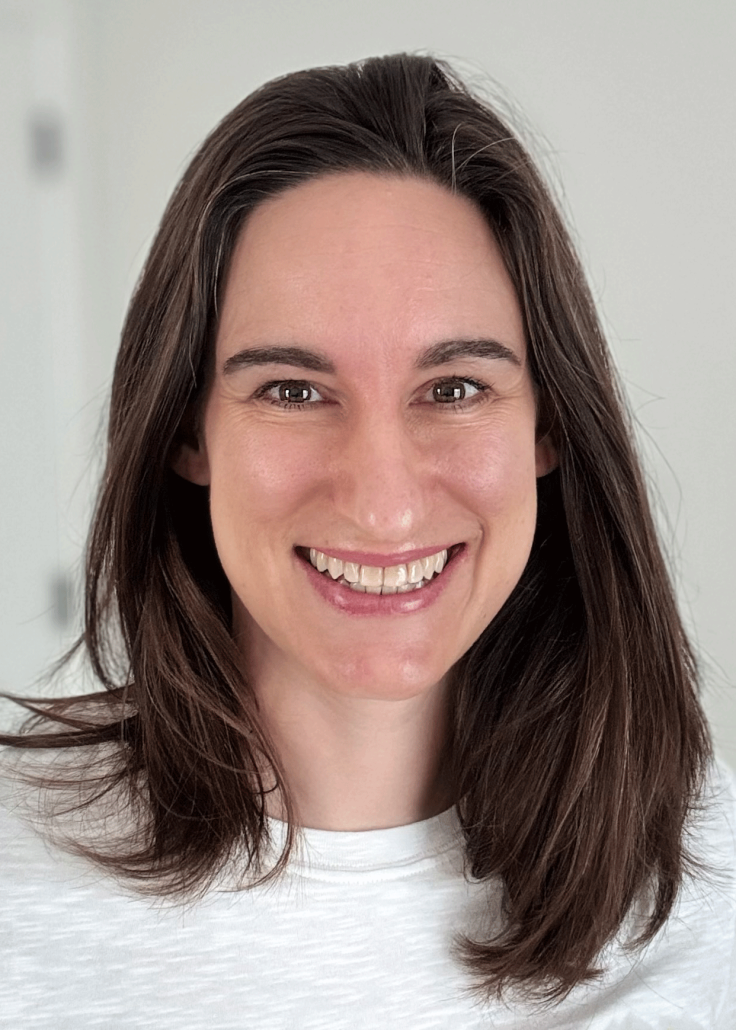
Julia Fourie is a stay-at-home mom currently completing her PhD in Neuroimaging. She has an academic background in neuroscience and previously worked as a regulatory medical writer. After experiencing postpartum psychosis in 2021, Julia became deeply aware of the need for greater awareness and family-centered support for postpartum mental health. This experience inspired her to join Postpartum Support International, where she serves as an International Coordinator for Dubai, UAE (since 2024) and a member of the PSI Postpartum Psychosis Task Force. Julia is passionate about helping families find hope, recovery, and connection through education and advocacy. Julia lives in Dubai with her husband and son and enjoys photography and spending time in nature.
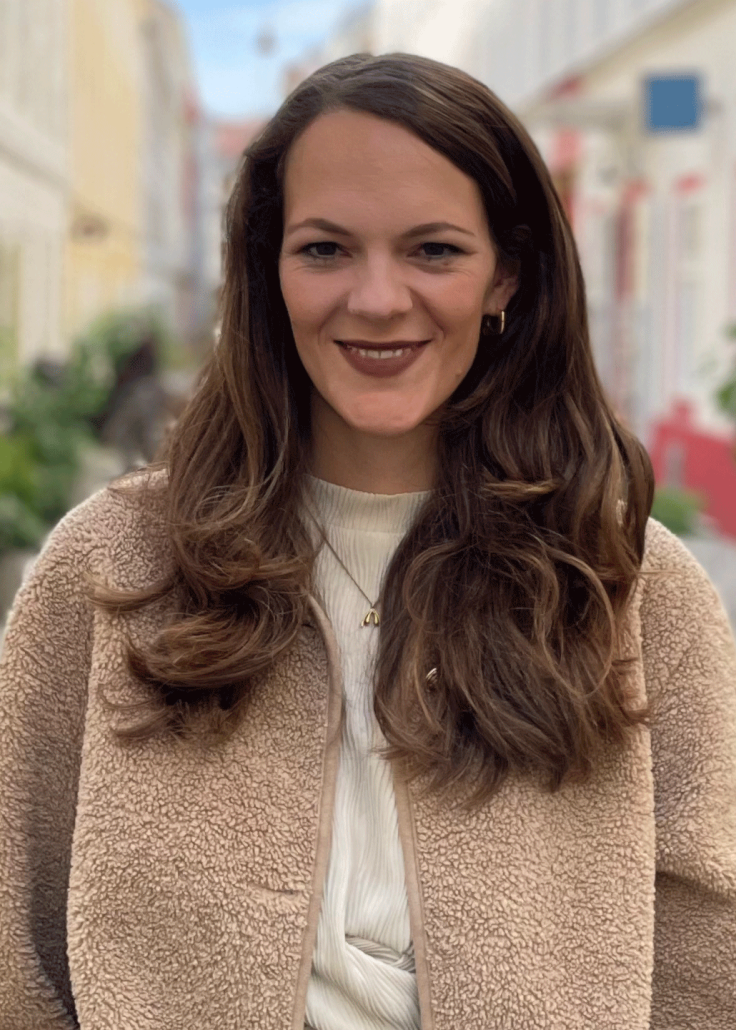
Anna Oberdorfer is a communications expert from Austria. Her work centers on sustainability communication and strategy, aiming to make issues like social justice, gender equality, and climate action visible and structurally anchored. After the birth of her son in 2022, she experienced postpartum psychosis and has since become an advocate for perinatal mental health, speaking out to reduce stigma and improve support. As a feminist and mental health advocate, she sees it as her responsibility to drive structural change, create spaces for empowerment, and actively help shape socio-political debates within and beyond her work.

Sarah Savage, BSN, RN, is a registered nurse and member of the Postpartum Psychosis Task Force. She has a one-year-old son. Sarah experienced a traumatic birth and postpartum psychosis 10 days after delivery. Sarah had no prior mental health diagnoses. After childbirth, she was diagnosed with postpartum depression and bipolar disorder. She is fully recovered and passionate about advocating for perinatal mood and anxiety disorders.

Julia Alzoubaidi, PhD, is PSI’s Perinatal Psychosis Program Manager and Postpartum Psychosis Task Force Coordinator. Julia is a licensed psychologist who worked with children and adolescents up until her firstborn was six months old, when she experienced perinatal psychosis. As a part of her healing process, she began volunteering with PSI in various capacities, such as facilitating support groups and co-leading a local Climb event. She lives in the Chicago suburbs with her husband and two children.
Explore More PSI Resources:
Specialized Support for Postpartum Psychosis
Provider Directory
NICU Resources
Subscribe to the PSI Blog
Connect by PSI
Download our free app “Connect by PSI” in your app store to access PSI support, resources, and information in the palm of your hand.


![“Neurodivergent perinatal women deserve an approach that is tailored to their unique nervous systems. They need psychoeducation [and] therapeutic support in rewiring negative internalized messages.” By Chelsea Blackwell, CPM, PMH-C](png/chelsea-blackwell-cpm-pmh-c-listening-for-intersections-of-neurodivergent-experience-and-perinatal-mental-health.png)