My Second Pregnancy After Postpartum PTSD
NICU Awareness Month
By Brittany Welch
According to Psychiatry.org:
Posttraumatic stress disorder (PTSD) is a psychiatric disorder that may occur in people who have experienced or witnessed a traumatic event, series of events or set of circumstances. An individual may experience this as emotionally or physically harmful or life-threatening and may affect mental, physical, social, and/or spiritual well-being.
People with PTSD have intense, disturbing thoughts and feelings related to their experience that last long after the traumatic event has ended. They may relive the event through flashbacks or nightmares; they may feel sadness, fear or anger; and they may feel detached or estranged from other people. People with PTSD may avoid situations or people that remind them of the traumatic event, and they may have strong negative reactions to something as ordinary as a loud noise or an accidental touch.
My First Pregnancy, Delivery, and Postpartum Experience
My first pregnancy was planned, desired, and wholly adored. The small fluttering feet within my womb reminded me of the joys of motherhood to come. Unfortunately, that soft, sweet time of newborn life came earlier and more difficult than we expected.
My son was born at 35 weeks, six days, after a week-long hospitalization and 48-hour labor and delivery due to severe, sudden onset preeclampsia. I was induced while on magnesium sulfate (flu-in-a-bag for the uninitiated) and forced to labor while stuck in a bed. My baby was born sunny-side-up, vacuum-assisted, with an APGAR of three and a weight of 4 pounds, 15 ounces. I had the perfectionist ideal of labor in my head: natural, at home for as long as possible, no medication, able to move, clear mind, delivering in any position I wanted, and yet I experienced the complete opposite.
How the hospital providers treated me left much to be desired. There was a lack of communication about what was happening with my baby and my body, a lack of transparency in moments of urgency, and a lack of emotional support for breaking down the medical whys and hows of my experience.
Within weeks of my son’s birth and subsequent week-long NICU stay due to breathing issues and low blood sugar, I developed symptoms of PTSD. Nightmares, insomnia, blackouts, severe headaches, panic attacks, rage, and flashbacks were taking over my life, but I didn’t have the words or space to explain, parse apart, and comprehend what was happening to me. I white-knuckled the next two and a half years with jealousy of others’ perfectly easy and beautiful labor and delivery, knowing that I was inherently a terrible mother for not being able to do just that.
My Second Pregnancy and Planning for Delivery
When I became pregnant with my second son, I made a firm decision not to let it happen again. I wouldn’t be put in the situation of not knowing, not understanding, not comprehending. Everything would be better, and I would be a better mother because I would have the PERFECT labor and delivery. Oh, how wrong I was. Just four days after finding out I was pregnant again, my husband had a medical emergency, which left me sitting outside the ER Trauma Center having a complete meltdown. The next month and a half, my PTSD took over my life, sending me into suicidal ideation. I spent a week in the hospital managing medications and the next two months in an outpatient program for mothers with perinatal mental health disorders.
During my second pregnancy, the outpatient care taught me coping mechanisms for my triggers. I sat in the room with eight other women sharing their stories of pregnancy and postpartum, and managed my triggers with sensory skills such as aromatherapy, cold water, and more. I rewrote my internal narrative telling myself I was a bad mom into one reminding me that I was a great mom despite my body’s difficulty during pregnancy. I spent time talking back to my shame and intrusive thoughts and learning to work with the logical side rather than the impulsive, emotional side. I learned to validate my feelings of fear, anger, and hurt while also walking alongside myself in finding ways to let it out. I spent hours coloring, painting, crafting, and creating. I felt my true self open up during walks outside and journaling while listening to music.
One of the biggest challenges was planning for my second son’s birth. The fear of a repeat was ever heavy on my heart and soul. Would it retrigger my PTSD to a further extent? Would I need rehospitalization for my mental health if I had a recurrence? I couldn’t imagine leaving my family again, especially so soon after leaving my three-year-old and husband for two months straight. I craved the natural homebirth my sister-in-law was planning as I was preparing for my son’s birth. I craved the comfort of my home and my family, and knowing that my son and I were safe.
By the end of my outpatient care, we realized that the only way to be sure to avoid a similar situation to before was to get an elective cesarean section. This felt horrifying and blasphemous for my original desire to be a feral, fierce, natural mother. After gathering all the information and taking everything into consideration, we decided it was best for all parties involved to have the calmest and healthiest birth for myself and my son.
Outlining a Mental Health Plan for PTSD
In the two months leading up to my birth, I was in and out of the labor and delivery unit at our local birthing center. My preeclampsia was back, and I was struggling with the high blood pressure as well as my panic. The nurses got to know me and helped me come up with a plan. Rather than the extensive, detailed birth plan that wasn’t possible during my first pregnancy, we created a mental health plan to avoid PTSD symptoms. Here are some bullet points:
- All personnel entering my room at any time must introduce themselves to me, including their job title.
- All of my and my baby’s medical readings, labs, tests, must be read aloud to me and explained if I don’t understand it.
- Any new diagnoses or complications must not only be verbally explained but also include a printed out explanation.
- Baby is not to leave my side unless absolutely necessary and his dad must be with him at all times.
- Baby is not to receive any supplementation, blood tests, x-rays, etc. without notifying parents of the reasoning first.
- My triggers: having my blood pressure taken, being completely alone, sudden changes in routine and expectations, babies crying.
These were placed in my and my son’s medical file as well as printed onto posters explaining what postpartum PTSD was. The posters were then placed into my physical file, on the outside of my door, and above the sink inside my room.
A Calm and Beautiful Birth
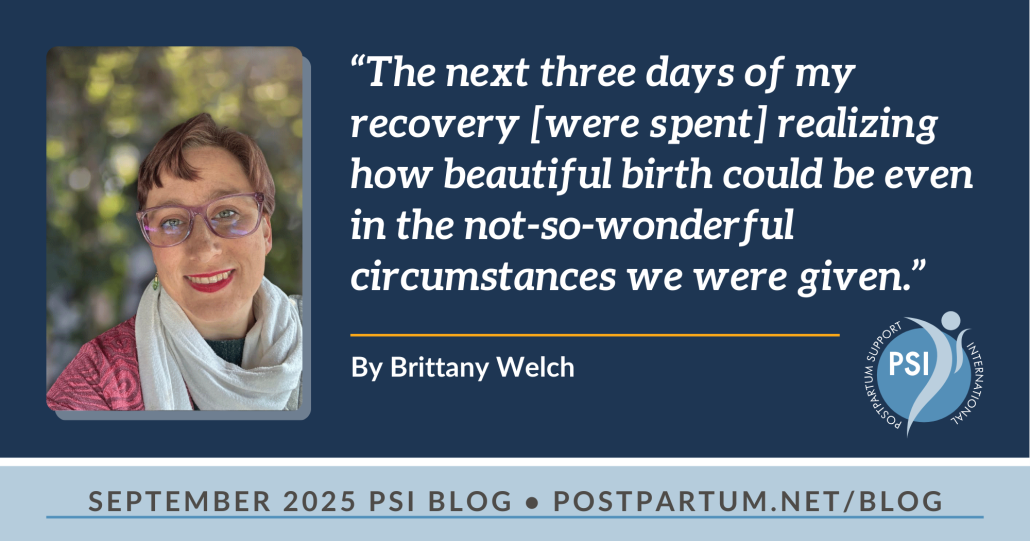
At times, I felt as though I was over-reacting or over-compensating, and yet during my c-section, which took place on the exact same gestational day as my first son’s birth, I felt a level of calm and peace take over me. The operating room was the safest place for me and the baby at that moment. I felt him exit my body, heard his first cries, and even was able to kiss his sweet face within moments with not a drop of fear because my providers were explaining every single step of the procedure. I spent the hour in the recovery room holding my sweet boy and savoring every moment with him and my husband that I didn’t get with my first. The next three days of my recovery in the hospital were spent snuggling and nursing and realizing how beautiful birth could be even in the not-so-wonderful circumstances we were given.
Postpartum Round Two
During those first few months, I marveled at how I slept well, how I didn’t fall into a panic every time he cried, and how I was able to manage a three-year-old and a newborn without falling to pieces. I slowly weaned myself from attending daily PSI support groups and kept attending counseling and local recovery groups while exploring and understanding motherhood from a new perspective. While my c-section recovery was difficult, it was no more difficult than the mental recovery following my vaginal birth.
Eighteen months later, I was able to attend my nephew’s birth. I was able to witness my sister become fierce and powerful, and I was able to detach my story from hers. I’ve now been able to listen to other parents and their birth stories without feeling less than. My PTSD still flares at times, especially around anniversaries regarding my hospitalizations and births, but I’ve found hope and recovery through understanding my experience through a medical lens and through a hopeful connection with others like me.
Resources That Helped Me Through My PTSD Recovery
Some of the resources that helped me with my postpartum PTSD were El Camino Hospital’s Inpatient Unit, designed specifically for perinatal mental health disorders, El Camino MOMS program, PSI’s online support groups, @thebirthtraumamama on Instagram, content creator and labor and delivery nurse Jen Hamilton, and joining PSI’s The Climb. Knowing that I am not the only one who has experienced what I have has allowed me to recognize that I can make a difference for future parents by educating them and their providers about how to avoid birth trauma and how to recover from it.
Debriefing with my nurses, spouse, family, providers, and friends helped me recover. Understanding the medical standpoint helped me recover. Hearing the calming words in Jen Hamilton’s videos that I needed to hear from my own nurses helped me recover. Meeting other parents with similar experiences helped me recover. Recognizing my strength, resilience, fierceness, power, and feral maternal energy is helping me continue recovering from birth trauma and postpartum PTSD. Now I am a Climb Leader, a PSI-CA board member, a staff member of PSI’s The Climb, a Blue Dot Ambassador, a small group facilitator, and an advocate. I am mother. Hear me roar.
About the Author
Brittany Welch
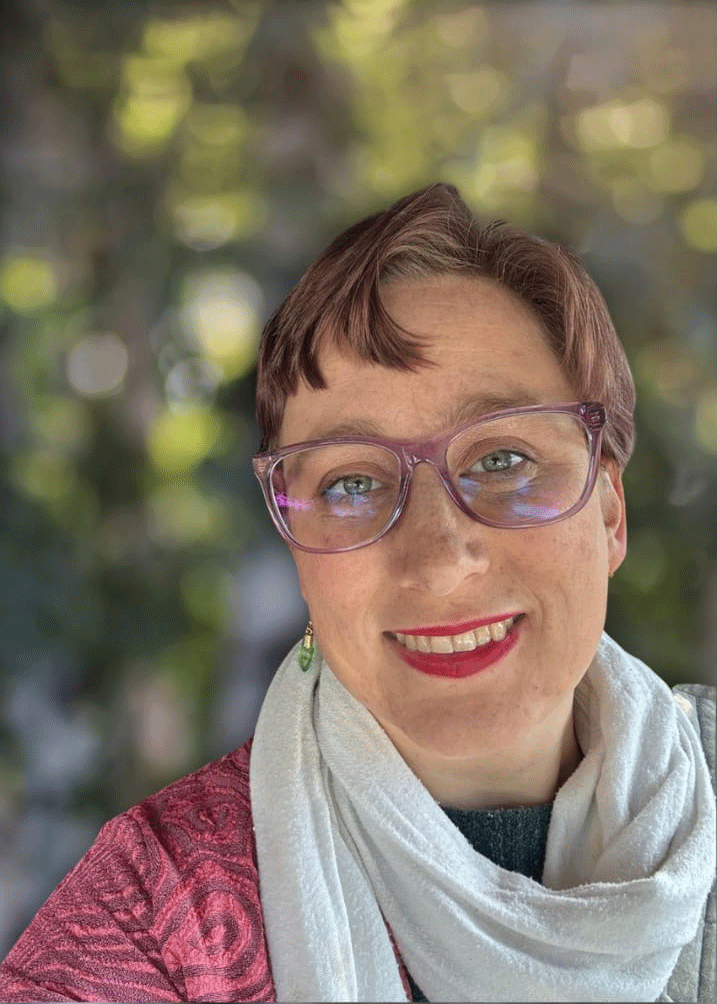
Brittany Welch, formerly a special education teacher, now uses her experiences from the classroom to assist Climb Leaders as the West Coast Regional Coordinator and as a mom to two spunky redheads. Brittany experienced antenatal depression and postpartum PTSD related to severe preeclampsia after her first birth. During her second pregnancy and concurrent inpatient stay, she was introduced to PSI and the support offered to pregnant and postpartum individuals. She is now a passionate advocate for trauma-informed birth and shame-free motherhood. You can find Brittany in the Sierra Nevada Mountain range hiking and camping, or in her front yard chaos-garden when she isn’t running her local Climb Team. Listen to episode 19 of the I Am One Podcast to hear more of Brittany’s story.