



Right now, millions of parents are silently struggling with perinatal mental health conditions—the most common yet overlooked complication of childbirth. PSI provides free, life-saving resources and peer support to parents in crisis—at the exact moment they need it.
Now, our mission—to provide essential, free, high-quality perinatal mental health peer support and resources to every parent who needs it—takes on a new urgency. Every donation ensures no parent has to face their mental health struggles alone, helps us fill the existing gaps in perinatal healthcare, and provides a safety net for vulnerable parents.
Every parent deserves hope, support, and a path to healing. With your support, you can be the reason they find it. Thank you for being the lifeline families can count on.

Wendy Davis, PhD, PMH-C
President and CEO
Postpartum Support International

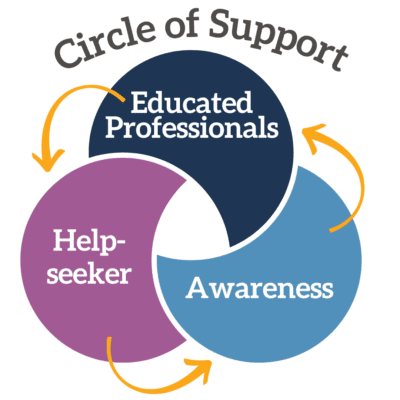
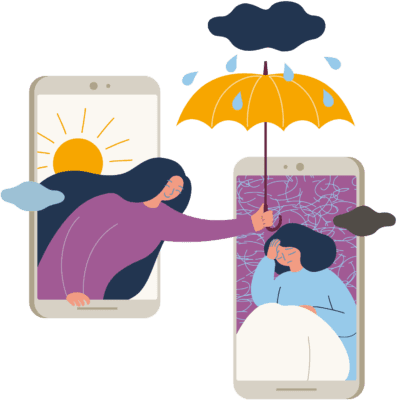
Navigating pregnancy and postpartum can be especially challenging for those struggling with their mental health. Long wait times for therapy appointments, the search for the right psychiatrist, or even taking the first step toward care can feel overwhelming. That’s where PSI steps in—providing critical support and resources to bridge the gap and ensure individuals get the help they need when they need it most.
Number of help-seekers we have connected with in 2024
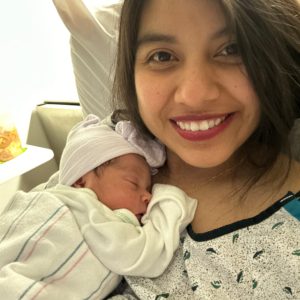
“[In that picture], I’m not there. It was an out-of-body kind of thing, I was in such a state of shock that I have this baby, this stranger, but I felt the need to take a picture because everyone takes a picture with their babies at the hospital. What would I look like not taking a picture with my baby?
That picture looks like I’m happy, but I was anything but that. I felt numb.
I look back at that hospital stay. How did I smile like that? I was not there, I was not present.”
Gen’s midwife recommended medication and resources, one of them being PSI. When providers like Gen’s midwife search the PSI Provider Directory, they gain access to thousands of providers who have completed advanced training in perinatal mental health. Providers with this training play a pivotal role in delivering quality care to perinatal patients.
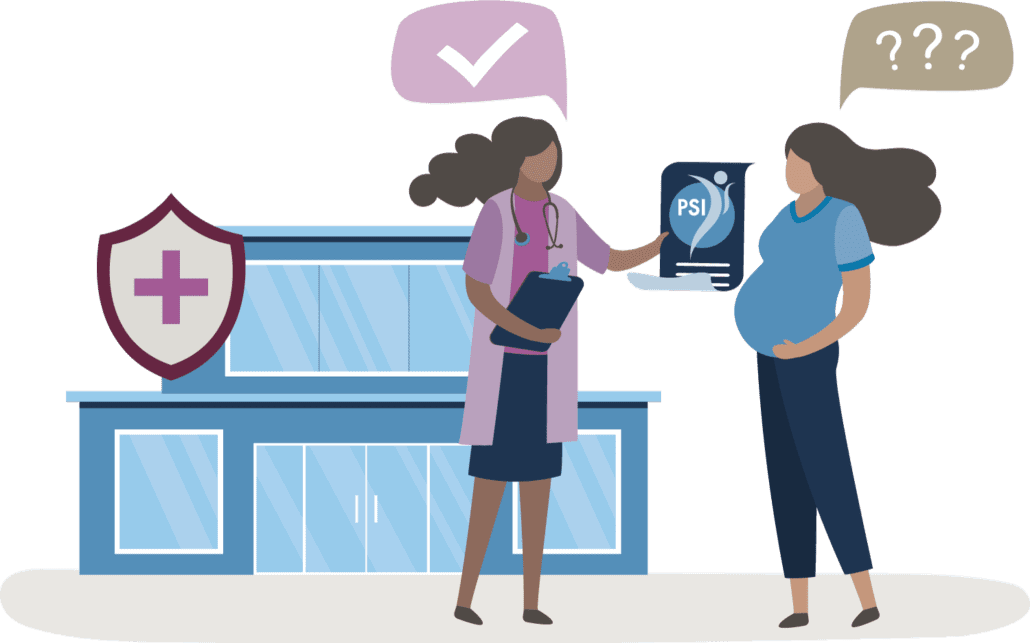
“I am a Family medicine-OB provider, treating patients during their pregnancies and afterwards. Postpartum support is difficult for many reasons and any way that I can help be more supportive is an opportunity. Additionally, I have several close friends who are survivors. Being able to better support them and be there for them is something that I am always working towards.”
—Provider and Climb Leader
PSI support groups were the only ones with people experiencing the same things as Gen. PSI’s 50+ online support groups are led by trained PSI facilitators, designed to connect help-seekers like Gen with other parents and provide helpful tools and resources.

…on finding PSI groups: But I was, as I was looking to the resources PSI was the only one that seemed to have like a group of other women cause I did not – maybe she didn’t give it to me, but I didn’t find anything else that was like PSI. So literally that same – was it that same day? I don’t remember where the following day I got on one of the meetings. And that’s how I kind of came to PSI and it’s been a journey. I’ve been on PSI groups at least one every single day and I’m not even kidding. At least one every single day. Because it’s been so helpful.
…on Latinx culture and mental health: In our culture, at least for me here, and I think for a lot of Latinx, mental health isn’t talked about enough and it’s kind of sad because I think that’s part of the reason why I feel a Latinx in a sense have been to smaller groups because I don’t know if it’s being talked about or I don’t know with our community, like it’s just – it’s just not talked about, which is why I have to find these groups because I could not find that kind of support with my family. It just I – and I hate saying it that way because my family has been supportive. But they just don’t quite grasp why, right? Like they don’t – they push back on the why instead of trying to be, you know, trying to explore as to why maybe I’m having these feelings. My mom is the only person that came around and my aunt, but that’s how I kind of went into that and because I was like, oh, there’s other Hispanics. I was like, okay, let me try. And I love that they had the Latinx group as an option, because of course I’m half Mexican I’m half Euadorian. And it was hard to be understood by my family or not even understood, validated, because all they kept saying to me is, “You have a healthy baby, like, Gen, come on. Why are you crying? Why are you sigh? Like, you know, um, you could have been in in a in the worst position, you know, I came from Mexico,” you know, they all came most of them came illegally. “I didn’t know the language. I had you guys here. I didn’t have money and, you know, it’s okay. You have money. You’re financially stable. You’re you have a partner. I didn’t have a partner.” So all these comparisons that was just upsetting me because that’s not what you want to hear. All you want to hear is it’s okay.
…on how PSI groups normalize the postpartum experience: I had to find these groups because one of the biggest things that I felt that has drew me to PSI and why I continued to come is because nowhere else do I feel like I supported as when I’m in these groups. Because in the outside, no one is very open and talking about these things. No one admits to these things. Yet when I go to my groups, all the women there are so vulnerable and are open to sharing these thoughts, obviously we can’t go to these house, but they can tell you like, hey, I have the same thoughts as you. I have the same feelings as you, so then you don’t feel alone. You feel like oh, it’s not just you. You’re not, you’re not a problem. You’re not, you know, broken. You know, it’s something that it’s by being in these groups have been more normalized for me. So, yes, I love my family and yes, I do feel supported in their own way, but nothing like PSI because the women there again, are open to admitting that we don’t like this job all the time as a new mom. Or as a three four-time mom.
…on how PSI groups are different: I felt so alone the first two weeks up until I started these groups and that’s why I kept coming back because I was in deep depression so I felt like I had to. Therapy helped, it does, but it’s one-on-one, it’s more of listening, at least in my experience with my therapist. I do get here and there like some feedback, but it’s not the same as someone else telling you, oh my God, me too. Me too. I’m like I’m right there. So that makes the difference to me.
…on feeling understood: I’m just going to go to one of my groups and talk about this anxiety I’m having because that’s where I’m going to be understood, that’s where I feel more welcome.
English-language support groups held in 2024
Total number of attendees English-language support groups in 2024
Total number of attendees to Spanish-language support groups
Gen contacted the NMMH Hotline when she was panicking. She was greeted by a PSI-trained counselor, who connected her to PSI resources. The Hotline (1-833-TLC-MAMA) is free, confidential, and available 24/7 in 60 languages.
PSI provides a HelpLine that anyone can call or text to get basic perinatal mental health information, support, and resources. PSI’s HelpLine is where trained and compassionate volunteers provide critical assistance to those in need. Each call or text answered brings comfort, guidance, and connection to resources, helping individuals and families who are navigating the challenges of perinatal mental health. These services offer immediate relief and also foster long-term healing. Learn More
English and Spanish HelpLine calls, texts and online form submissions combined in 2024
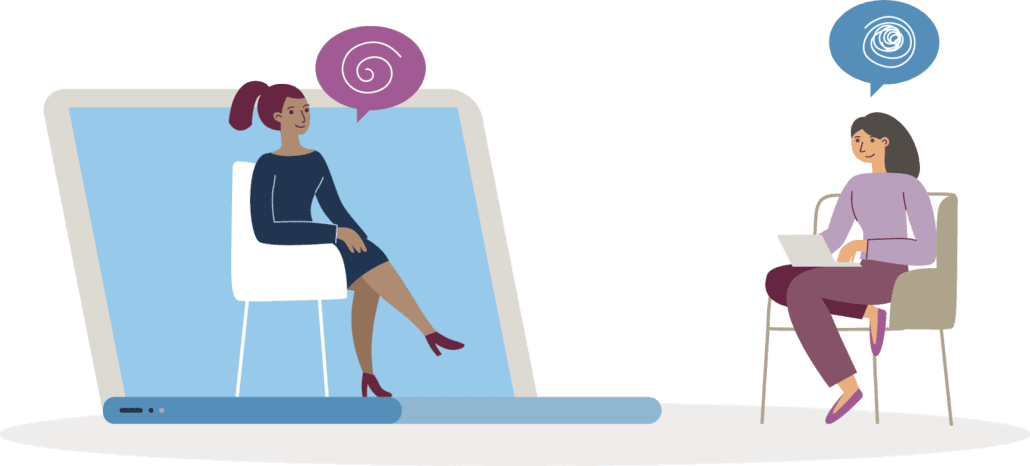
Gen’s journey highlights the transformative impact of the Peer Mentor Program. After applying to the program, Gen was matched with a mentor who provided consistent, personalized support over 4-5 months. They worked together to schedule regular meetings, and Gen had the flexibility to call or text her mentor whenever she needed. This connection offered not just guidance but a sense of reassurance and understanding, empowering Gen to navigate her perinatal mental health challenges with confidence. Programs like this create lasting change for individuals like Gen.
I have a mentor that I can reach out to at any time if I need it. That’s been helpful too, because you know we can text, me and the mentor that they matched me with. It’s been great because if I were you know, to need her, for any reason just to kind of talk, she’s been there, she’s been available, and she checks in on me, so I love that. I really do.
“I didn’t feel like I was bothering a friend, I could contact her because I needed that kind of support. That support was there when I needed it, at any point. She was always open. The time difference helped because if I was up late, it was not late for her. There’s a difference between a friend; there’s a guilt behind bothering a friend, but peer mentors, that’s what they’re there for. I could contact her if I was in distress or just to chat about motherhood.”
—Peer Mentor Program participant
English-language Peer Mentor Program pairings in 2024
Spanish-language Peer Mentors trained since February 2024 when the Spanish Peer Mentor Program launched
Spanish-language Peer Mentors matched in the first year of the Spanish Peer Mentor Program
PSI offers a unique online directory of 9,230+ qualified perinatal mental health professionals and support groups in the United States, Canada, the United Kingdom, and Australia. Providers have a variety of professional backgrounds (therapists, nurses, psychiatrists, doulas, lactation consultants, and more) and areas of specialty (trauma recovery, perinatal loss, physical therapy, fertility challenges, military families, and more). Help-seekers can search by spoken language, treatment orientation, insurance acceptance, and many other factors to find the right care. This resource empowers perinatal individuals like Gen to find specialized care and support when and where they need it most. The directory bridges critical gaps in access to care, ensuring families can receive the help they need to thrive.
I’m going to start crying – I don’t think I would have made it, or maybe I would have but it would have looked a little uglier and not as easy to join these groups. I knew this is going to happen. Sorry. I just I am beyond grateful, it’s just been such a lonely journey, like I can’t express that enough, like no one has been able to understand this journey at all. My partner, my mom, my friends, my coworkers, all these moms, I just don’t get why I can’t come the same way, why I’ve expressed these things and yet it has not been as helpful and anytime I have any thoughts of any kind that might seem like I’m going I’m being too dramatic or too extreme PSI’s who I go to.
“I couldn’t find a therapist that focused on maternal health. Through PSI’s directory I was able to pull up someone nearby that focused on that.”
—Gen
“The PSI Directory is such an amazing tool! Being able to search for just what the help-seeker needs (location, insurance, speciality) saves so much time and helps me give the best referrals possible.”
—PSI Support Coordinator Volunteer

About this photo taken recently with Ellie, Gen says, “17 months old! I love her! I didn’t think I could ever love as much as I love her! I have the best connection with her, something I never thought possible. I know her better than anyone. Bizarre, because that’s not what happened when she was born. PSI has helped me so much! When my peer mentor or support group facilitators would say it was temporary, I didn’t believe it, but I know it’s true today.”
Gen’s story is one of many. So often, we see this full-circle moment: a parent finds PSI during a dark time, is transformed by their experience and the support they found, and returns to PSI to help more parents just like them.
“Sharing my story with PSI is only the beginning of my journey. My hope is to train as a peer mentor and also facilitate a group one day. I’d be honored to help other parents get the support they need and deserve and I can’t think of a better place to do that than alongside PSI.”
—Gen
When I do come on the PSI groups with these other amazing women, it just feels like home. Like it just feels like this, you know, this is where I belong while I’m still on this journey.
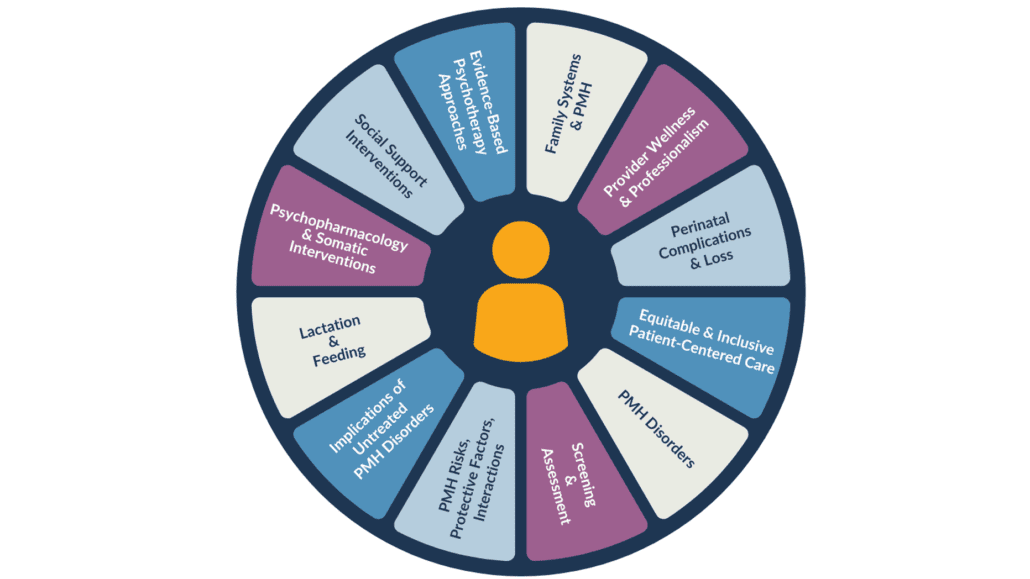
To earn their PMH-C, professionals must demonstrate proficiency in all 12 areas displayed here.
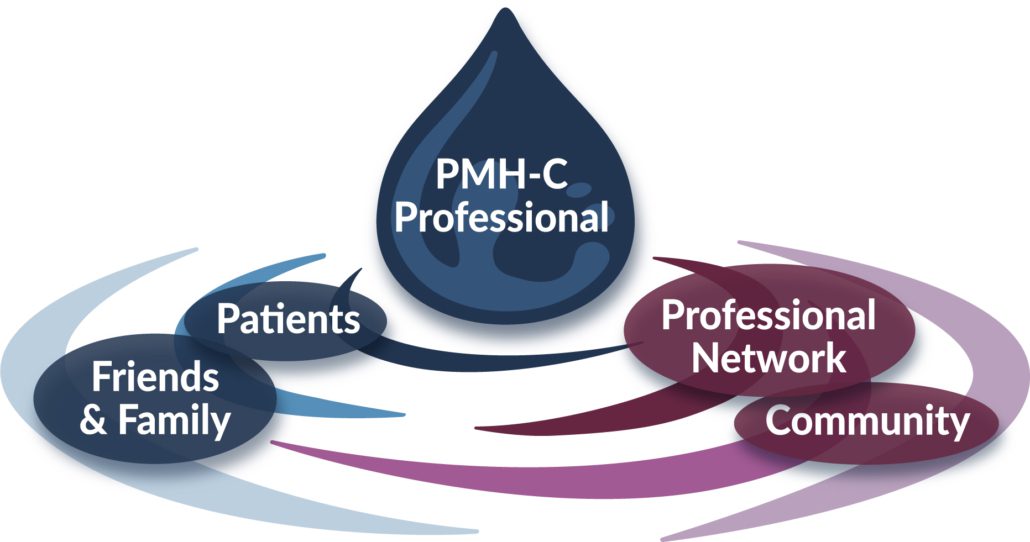
When one professional is trained as a Perinatal Mental Health Certification (PMH-C), it is not just the one professional who is affected – the entire community benefits.
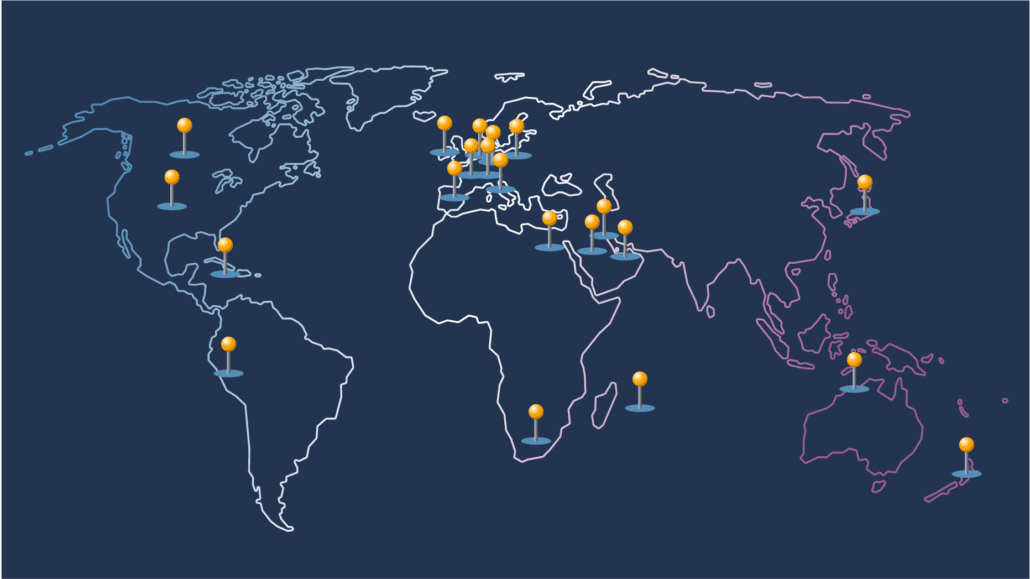
We have an international presence in 23 countries where PMH-Cs are active.
When clinicians are trained, there is a ripple effect in their communities as the impact of the specific training extends to the support networks and to clinicians. When a clinician is equipped to address PMH concerns, other clinicians can then benefit from the training and share it with their networks, which increases the reach through professional networks, leading to more competent care for those in the perinatal period.
Increase of certifications compared to 2023
People earned their PMH-C in 2024
Total number of active PMH-Cs worldwide in 2024
These programs include:

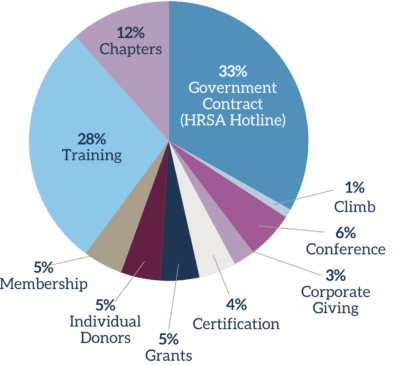
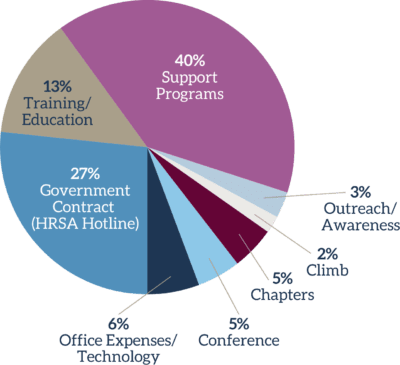
While PSI has made significant strides in providing critical support and resources for those navigating perinatal mental health challenges, the need for our services continues to grow. The impact of our programs is undeniable, but the demand for accessible care, professional training, and peer support is greater than ever. We are committed to centering equity in all that we do, ensuring that underserved and marginalized communities have access to the support they deserve.
To sustain and expand our reach, we rely on the ongoing generosity of our funders. Your financial support ensures that we can continue to serve more families, equip more clinicians, and create lasting change in the field of perinatal mental health on a global scale. Together, we can make a profound difference in the lives of parents in crisis—when they need it most.